How to Choose Anti-Glare Downlights for Commercial Spaces
Glare is the most common lighting complaint in commercial environments. Poorly designed downlights create harsh reflections on screens, glossy surfaces, and display cases — causing eye strain, reduced productivity, and an unpleasant atmosphere. This guide explains how to specify anti-glare LED downlights that deliver comfortable, productive illumination.
Understanding Glare: UGR and Beyond
The Unified Glare Rating (UGR) is the international standard for quantifying discomfort glare. The scale runs from 10 (imperceptible) to 30+ (unbearable). For commercial environments:
- UGR ≤ 16 — required for offices, classrooms, and reading environments
- UGR ≤ 19 — acceptable for general commercial spaces and corridors
- UGR ≤ 22 — minimum for retail and circulation areas
UGR is calculated based on luminance, viewing angle, and background luminance. Fixtures with lower UGR values use optical elements to reduce the luminous intensity at angles where occupants typically look.
Anti-Glare Optical Technologies
Several optical design approaches reduce glare in LED downlights:
Honeycomb Louvers
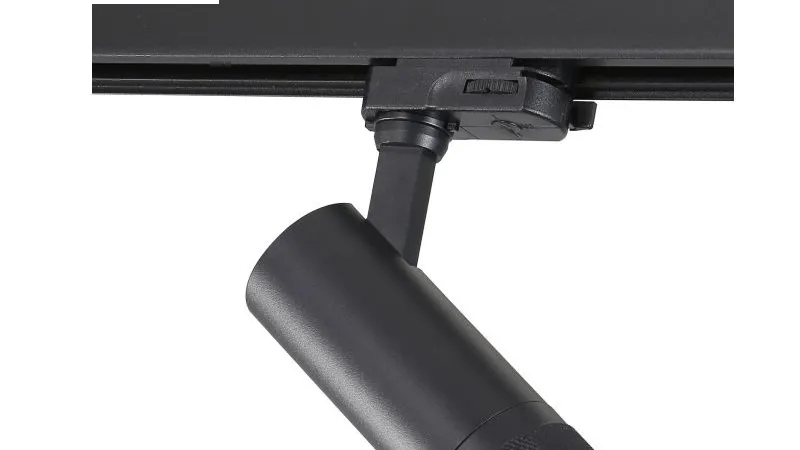
Honeycomb louvers are hexagonal-cell grids placed in front of the LED source. They block light emitted at wide angles (>45° from vertical) while allowing direct light to pass. This is the most effective and economical anti-glare solution. Explore our anti-glare honeycomb track spot light for retrofit applications.
Deep Recessed Source
Mounting the LED chip deep within the fixture housing creates a natural cut-off angle. The housing itself shields the light source from view at wide angles. A recess depth of 20-30mm provides an effective cut-off angle of 40-50°.
TIR (Total Internal Reflection) Lenses
TIR lenses use precision-molded optics to redirect light downward while controlling the beam spread. They offer the cleanest optical control but at higher cost. TIR lenses are standard in premium commercial LED downlights.
Diffusers and Micro-Prismatic Plates
Micro-prismatic diffusers break up the point-source intensity of LEDs, reducing peak luminance. They are effective for low-glare general lighting but sacrifice some optical efficiency.
Key Specifications for Anti-Glare Downlights
When evaluating anti-glare downlights, check these specifications:
- UGR rating — ≤16 for offices, ≤19 for general commercial
- Cut-off angle — 30° minimum, 40°+ for screen-heavy environments
- Surface luminance — ≤3000 cd/m² at any viewing angle above 45°
- Color temperature — 3500K-4000K for offices, 3000K for hospitality
- CRI — Ra≥80 for general use, Ra≥90 for premium spaces
- Dimming — 0-10V or DALI for daylight harvesting integration
Application-Specific Recommendations
Office Environments
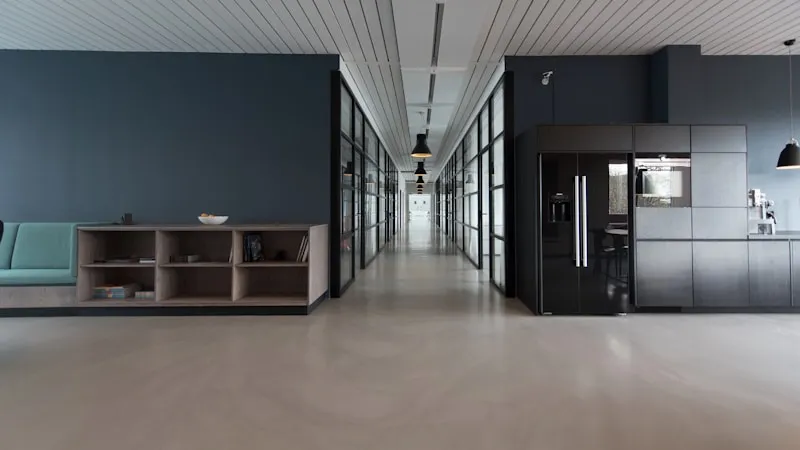
Offices require UGR ≤16 to prevent screen glare. Use deep-recessed downlights with 4000K CCT and 0-10V dimming. The anti-glare recessed LED downlight offers UGR<16 performance with a 40° cut-off angle.
Hospitality and Hotels
Hotels prioritize warmth and ambiance over raw illuminance. Use 3000K anti-glare downlights with CRI90+ and TRIAC dimming for retrofit compatibility. Wall-washed corridors create a welcoming feel.
Retail Environments
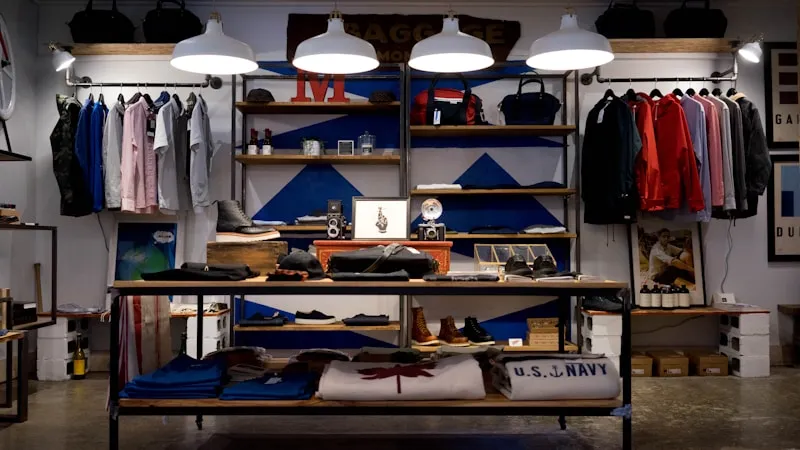
Retail lighting balances glare control with merchandise accent. Use a mix of anti-glare general lighting (UGR ≤22) and narrow-beam accent spots for displays. The honeycomb track spot provides excellent glare control for retail.
Common Mistakes to Avoid
- Over-lighting — exceeding 500 lux in offices increases glare without improving productivity
- Wrong CCT — cool 5000K+ light increases perceived glare in warm-toned interiors
- Ignoring maintenance factor — specify initial illuminance at 80-90% to account for lumen depreciation
- Poor placement — avoid placing downlights directly in occupants' field of view
Conclusion
Anti-glare downlight selection is a balance between UGR targets, optical efficiency, aesthetic requirements, and budget. By understanding the optical technologies available and matching them to application requirements, specifiers can create comfortable, productive, and visually appealing commercial lighting.
For anti-glare downlight recommendations tailored to your project, request a consultation with our lighting design team.